
Delta 8 THC, Delta 9 THC
Hemp vs Marijuana: What’s the Difference?
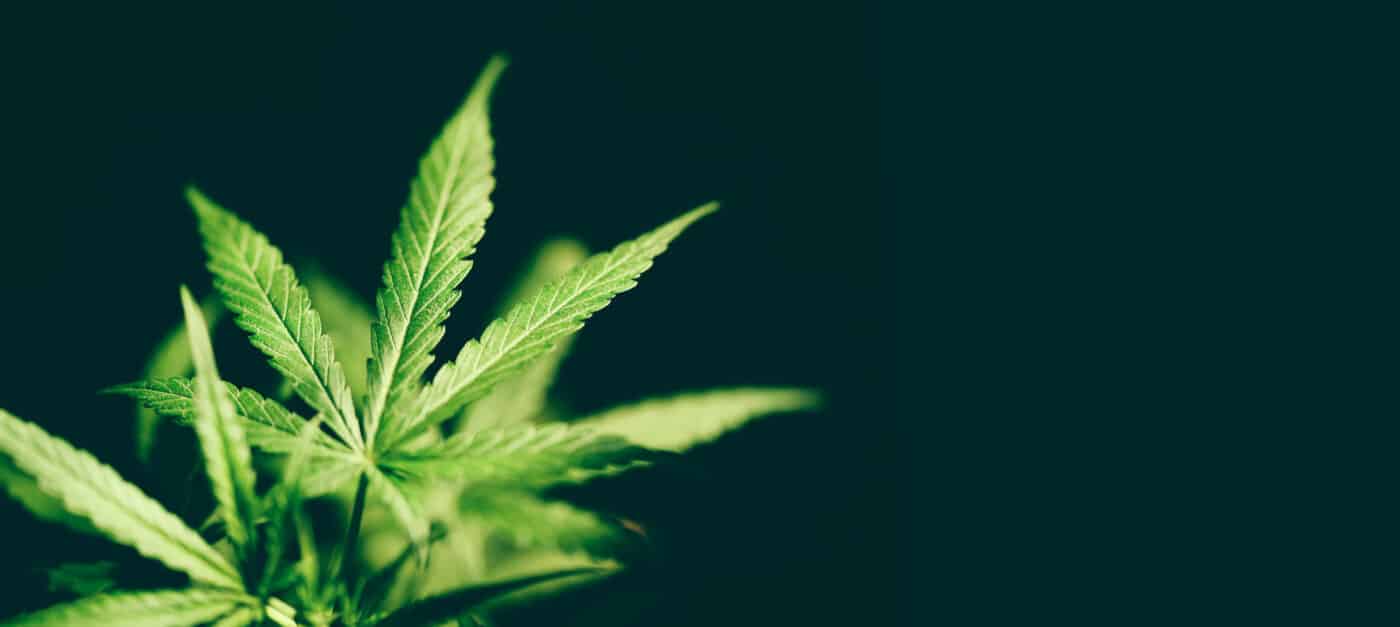
When discussing hemp vs marijuana, it’s essential to understand that both come from the same species, Cannabis sativa. Despite this common ancestry, their uses, effects, and legal status can vary significantly.
The primary difference between hemp and marijuana lies in their THC content—the compound responsible for the psychoactive effects often associated with cannabis. These cannabis plants share many similarities but are cultivated for different purposes and outcomes.
The hemp plant is typically grown for its fibers, seeds, and cannabinoids, boasting a wide array of uses that range from industrial materials to wellness products. In contrast, marijuana plants are primarily cultivated for their psychoactive properties, offering users a different experience altogether.
Understanding these distinctions is crucial for consumers and industry stakeholders as the hemp and marijuana markets continue to evolve and expand.
Here at 3CHI, we’ve been able to utilize the hemp plant in various ways, extracting as much of its beneficial components as possible.
Let’s get into it.
Understanding Hemp Plants
Hemp plants are cultivated for their industrial and personal uses. These cannabis plants contain less than 0.3 percent THC on a dry weight basis. Because of this low THC level, hemp-derived CBD products are federally legal under the Farm Bill of 2018. Consumers often turn to hemp for its potential wellness benefits with a less intense high than traditional marijuana products.
But depending on the type of hemp product and other cannabinoids used, some hemp products like a host of ours at 3CHI can still be made with Delta 9 THC, so long as we don’t exceed the legal threshold. Thus, consumers have compared the effects of our Delta 9 THC products as having produced similar effects as marijuana.
Marijuana Plants: The Psychoactive Cousin
In contrast, marijuana plants are bred to produce higher concentrations of THC, often exceeding the 0.3 percent threshold. This higher THC content gives marijuana its characteristic high, making it popular for both medicinal and recreational use. However, this also means that marijuana is subject to stricter regulations and remains illegal under federal law, though many states have legalized it for various uses.
The Legal Definition and Status
The Controlled Substances Act previously classified all cannabis plants as illegal. However, the Farm Bill distinguished industrial hemp from marijuana by defining hemp as cannabis with 0.3 percent THC or less.
This legal definition opened the door for hemp and marijuana to be regulated differently, allowing hemp-derived CBD to flourish in the market. Although some states still have their own laws regarding hemp-derived products, we’re continuously finding new potential from the plant.
Federal vs State Laws
While hemp and its derivatives are federally legal, state laws vary. Some states have embraced hemp-derived CBD products, while others impose restrictions. Marijuana, despite its legal status in some states, remains federally illegal, creating a complex landscape for growers and consumers alike.
However, even hemp with THC levels that have less THC than 0.3 percent may still be banned across some state lines. The legality of cannabis flower from hemp, CBD products, and other products may still not be legally allowed in certain states, even though there is the federal law according to the Farm Bill.
This is why it’s important you do your research to ensure you are within the law in the state and city you reside in, whether you want to consume CBD products like CBD oil or other cannabinoids.
Industrial Hemp: A Versatile Crop
Hemp is incredibly versatile, used in a range of products from CBD oil to textiles. The hemp plant is valued for its fibers, which are used in textiles, rope, and even construction materials. Additionally, hemp oil, extracted from hemp seeds, is rich in nutrients and used in various health and beauty products.
The Rise of Hemp-Derived CBD Products
With the legal status of hemp secured, the market for hemp-derived CBD products has exploded. Consumers report that these products may help with a variety of issues, from stress to discomfort, without the more intense intoxicating effects of marijuana. CBD oil, tinctures, and edibles are just a few of the popular options available.
Cannabinoids: The Chemical Compounds from Cannabis Plants
Both hemp and marijuana contain various cannabinoids, including CBD and THC, but in different proportions. While marijuana is known for its high THC levels, hemp is prized for its rich CBD content. These compounds interact with the body’s endocannabinoid system, which is thought to help regulate functions such as mood, sleep, and appetite.
Exploring Other Cannabinoids
Aside from CBD and THC, both hemp and marijuana produce other cannabinoids like CBC (cannabichromene) and CBG (cannabigerol). These lesser-known cannabinoids are gaining attention for their potential benefits and are becoming more available in hemp-derived CBD products.
Consumer Experiences and Preferences
Consumers have reported that hemp-derived Delta 9 products can offer effects similar to traditional marijuana, albeit typically milder. This has led to a growing interest in these products among seasoned users who adjust their dosage to meet their needs.
As more people explore the potential of hemp-derived CBD, it’s clear that both hemp and marijuana have valuable roles to play in the wellness landscape.
The Future and Potential of the Cannabis Sativa Plant
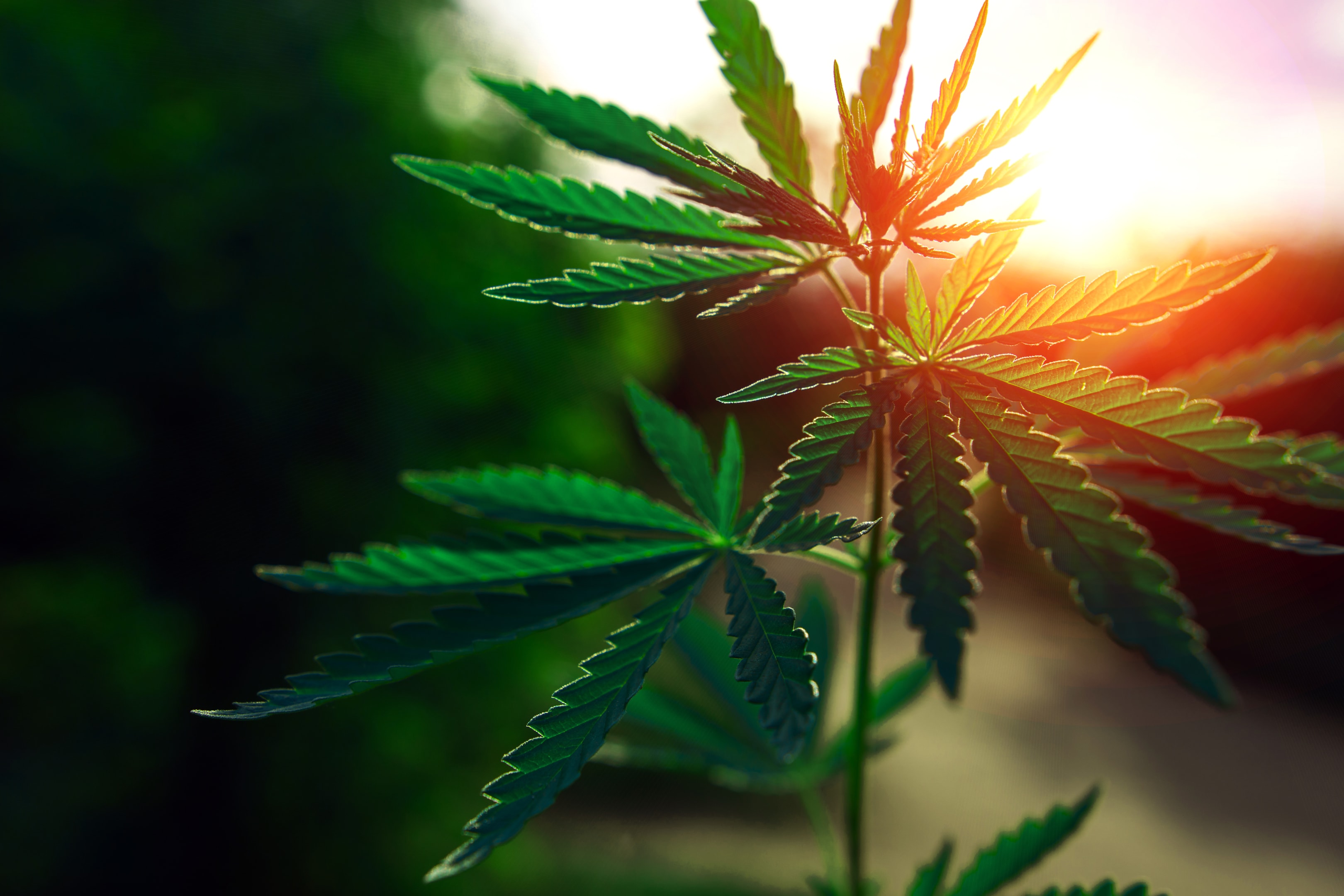
In summary, the main difference between hemp and marijuana lies in their THC content. Hemp plants contain less than 0.3 percent THC, providing a slightly different experience and making them legally distinct from their psychoactive cousin, marijuana. Both of these cannabis plants are varieties of Cannabis sativa, but they are cultivated and used for different purposes.
The hemp plant is versatile, used for industrial applications, CBD products, and even as a nutritional supplement, whereas marijuana is primarily grown for recreational and medicinal use. These two plants reflect the diversity within the cannabis species, each offering unique benefits and applications.
Recognizing the legal and practical distinctions between hemp and marijuana helps consumers make informed decisions and appreciate the broad potential of the cannabis plant. Whether you’re exploring hemp for its wellness potential or marijuana for its recreational effects, understanding the differences is key to navigating the evolving landscape of cannabis products.
Whether you’re new to cannabis or a seasoned user, visit our vast store of products at our website to see what fits you and your lifestyle best!
To stay updated on all things cannabis and 3CHI, sign up for our newsletter here!
When you do, you get 5% off your first order and a free pack of Delta 8 gummies!