
CBD, Delta 9 THC
October Reset: Using THC and Other Cannabinoids to Balance Mind & Body This Fall

Introduction
DISCLAIMER: The content below is for informational purposes only and does not constitute medical advice. Products are not intended to diagnose, treat, cure, or prevent any disease. Hemp-derived products must contain ≤0.3% ∆9-THC by dry weight under U.S. federal law. Product types and legality vary by state; verify local rules before purchase or use.
October arrives as one of the most striking transitions of the year. The brightness of summer fades into crisp mornings, earlier sunsets, and a rhythm that feels more contemplative than carefree. Trees shift from green to fiery reds and golden yellows, reminding us that change is natural, even beautiful. But as the seasons change, so do our lives, and not always in ways that feel easy. The calm beauty of fall often hides a stressful undercurrent: shorter days that leave us feeling tired, workloads that increase as businesses push toward year-end goals, and the looming reality of the holiday season with its financial and social demands.
That’s why October is the perfect time for a reset. Nature is slowing down, and so can we — but only if we make the conscious choice to reframe how we approach our energy, our stress, and our well-being. More and more people are finding that cannabinoids, compounds from hemp that work with the body’s endocannabinoid system (ECS), can play a meaningful role in this seasonal reset. Cannabinoids are naturally occurring in the cannabis plant, which is the primary botanical source of these compounds. Many adults choose CBD, CBN, or Delta-8 products as part of a personal routine focused on relaxation, evening wind-down, or an easygoing mood. Individual experiences vary. THC, in particular, is the active ingredient responsible for the psychoactive effects found in many cannabis-derived products.
This article explores how adults think about using cannabinoids as part of a personal fall routine focused on relaxation, sleep quality, and overall balance. Availability and regulations vary by state. The popularity of cannabinoids continues to rise, and more than half of US states have now legalized cannabis for medical purposes, reflecting their widespread acceptance. We’ll also discuss which products can best support these goals, highlighting the variety of cannabis products available, and how daily rituals make it all stick. By the end, you’ll have a roadmap for creating a fall wellness routine that works with the season rather than against it — a plan to restore balance and approach October with resilience.
Why Fall Increases Stress
It’s tempting to see fall only through its cozy lens: pumpkin patches, golden leaves, steaming mugs of cider. But behind the nostalgia is one of the most challenging times of year for body and mind.
First, there’s the issue of daylight loss. Humans are creatures of rhythm, and our circadian systems rely on natural light to regulate sleep and energy. As days shorten, our internal clocks shift. Darkness arrives earlier, which means melatonin (the hormone that tells the body to prepare for sleep) is produced sooner. The result? Many people feel sluggish in the late afternoon, yawning before dinner and struggling to stay focused. For others, the loss of light triggers more serious seasonal mood dips known as seasonal affective disorder (SAD). Even mild forms of this condition can leave people unmotivated and irritable.
Second, work and school intensify in the fall. Summer’s looseness gives way to packed schedules. Businesses aim to close out the year strong, often demanding more from employees. Schools pile on projects, events, and sports. Parents in particular may feel like they are juggling three jobs: work, home, and their children’s fall activities.

Third, the holidays begin looming. October is when most people start thinking ahead to Thanksgiving, Christmas, and New Year’s. Even if nothing is on the calendar yet, the mental load builds. Planning, shopping, budgeting, and anticipating family dynamics can all raise stress levels. Cortisol rises before we’ve even lit the first candle or carved the first turkey.
Finally, the immune system is tested. Cooler weather means more time indoors and more germs circulating. When sleep is poor and stress is high, the body’s defenses weaken. A simple cold can take longer to recover from, and fatigue deepens the sense of imbalance.
Stress isn’t just psychological. Biologically, it involves a cascade of chemicals and hormones. When the brain perceives stress, the hypothalamus signals the adrenal glands to release cortisol. In small doses, cortisol helps us stay alert. But when cortisol stays elevated for long stretches—as it often does in fall—it depletes energy, impairs sleep, and increases inflammation. Stress can also impact blood pressure, sometimes causing fluctuations that contribute to feelings of fatigue or fear. The result is a body that feels “on edge” long after the workday or social event has ended.
This is where cannabinoids enter the picture. By interacting with receptors in the ECS, cannabinoids may help regulate how the body responds to cortisol and other stress signals. Instead of staying stuck in overdrive, the body may shift back toward equilibrium more quickly.
Energy, Sleep, Psychoactive Effects & Stress Balance
When fall feels overwhelming, it usually comes down to three things: low energy, poor sleep, and high stress. They are intertwined, feeding into one another in a loop. The good news is that cannabinoids interact with the ECS in ways that may help address all three.
Energy
Fatigue is common in October as daylight shrinks. People often reach for caffeine, but too much can worsen fears or disrupt sleep, creating more exhaustion. Cannabinoids take a different approach. CBD may help regulate cortisol, reducing the background drain of stress so the body’s energy can be used more efficiently. Some adults describe a lighter, easygoing experience with Delta-8 that they prefer for social or creative moments. Many describe Delta-8 as a “clear-headed” experience that feels energizing but steady, making it a useful ally for afternoons when motivation dips. THC appears to influence energy and mood through its interaction with the ECS.
Sleep
Poor sleep magnifies stress and depletes energy. Unfortunately, it’s also one of the first casualties of busy seasons. Shorter days can confuse circadian rhythms, while stress keeps minds racing late into the night. Here, cannabinoids like CBD and CBN stand out. CBD has been studied for its calming influence on the nervous system, which may help people both fall asleep faster and stay asleep longer. CBN, a cannabinoid often associated with rest, may deepen sleep cycles and make rest more restorative. For someone who spends nights tossing, replaying to-do lists, or waking frequently, these compounds can help reset the sleep cycle and improve overall rest. Oral THC, when administered orally, can also be used for sleep support, but its effects and duration depend on THC concentration and terminal half life.
Stress
Stress underlies both fatigue and poor sleep, making it a critical piece of the reset puzzle. When cortisol levels remain high, the body stays locked in a fight-or-flight state. Over time, this leads to irritability, weakened immunity, and even physical symptoms like headaches or digestive issues. Cannabinoids may help by interacting with CB1 receptors in the brain to modulate neurotransmitters like serotonin and dopamine. Research suggests CBD, in particular, may reduce fear, while Delta-8 can take the edge off social stressors, providing a mild euphoric calm that makes gatherings less intimidating.

Together, these three pillars create a cycle of balance. Better sleep supports more energy. More energy makes stress easier to manage. Less stress allows sleep to come more easily. By targeting each area, cannabinoids may help transform fall from a season of depletion into a season of restoration. The effects of THC occur through various mechanisms, and the body processes THC into inactive metabolites, which can influence how long effects last.
Product Spotlights
CBD oils and tinctures
They are versatile, working for both morning and evening use. These products are often derived from cannabis extracts, which are valued for their therapeutic-like benefits in both medical and recreational contexts. Imagine starting a hectic October morning. The kids need lunches packed, emails are already flooding your inbox, and you’ve barely had coffee. A few drops of CBD oil under the tongue may help steady your nerves, creating a calmer baseline to move through the day without feeling constantly triggered.
Delta-8 gummies
These can be game-changers for afternoons. Picture hitting the 3 p.m. slump at work. Instead of grabbing another cup of coffee that will keep you up until midnight, a Delta-8 gummy might provide a mild uplift. Suddenly, the pile of emails feels less intimidating, and the team meeting feels more manageable.
CBN blends
They shine at night. Think of those evenings when your brain refuses to turn off. You’ve got tomorrow’s tasks running through your head, and sleep feels impossible. A CBD + CBN blend might help slow the mental chatter, ease tension, and guide your body into the kind of deep sleep you need to recover for the next day.
Delta-9 THC products
These aren’t for everyone, but in the right context, they can enrich the fall season. Delta-9 THC, also known as delta 9 tetrahydrocannabinol, is the primary psychoactive component in cannabis and is classified as a controlled substance under federal law. Picture watching a favorite movie on a chilly October night. Delta-9 might heighten sensory enjoyment, making the colors, sounds, and laughter more vivid. When used responsibly, it transforms ordinary moments into memorable experiences. After consumption, THC is metabolized into compounds like THC-COOH, which could be detected in oral fluid during drug testing.
Topical balms
These might add a physical layer of support. After a day of raking leaves or hiking a trail under crisp skies, sore muscles are common. A cannabinoid-infused balm could soothe that tension, reminding you that wellness is not just mental but physical too.

Daily Rituals
Rituals could transform cannabinoids from occasional aids into anchors of wellness. They don’t have to be elaborate, they just need to be consistent.
Start with a morning ritual. Upon waking, hydrate with a glass of water, step outside for a few minutes of natural light to reset your circadian clock, and take a small dose of CBD oil. Pair it with light stretching or journaling about the day ahead. This ritual isn’t about perfection; it’s about signaling to your body that you’re entering the day with calm intention rather than chaos.
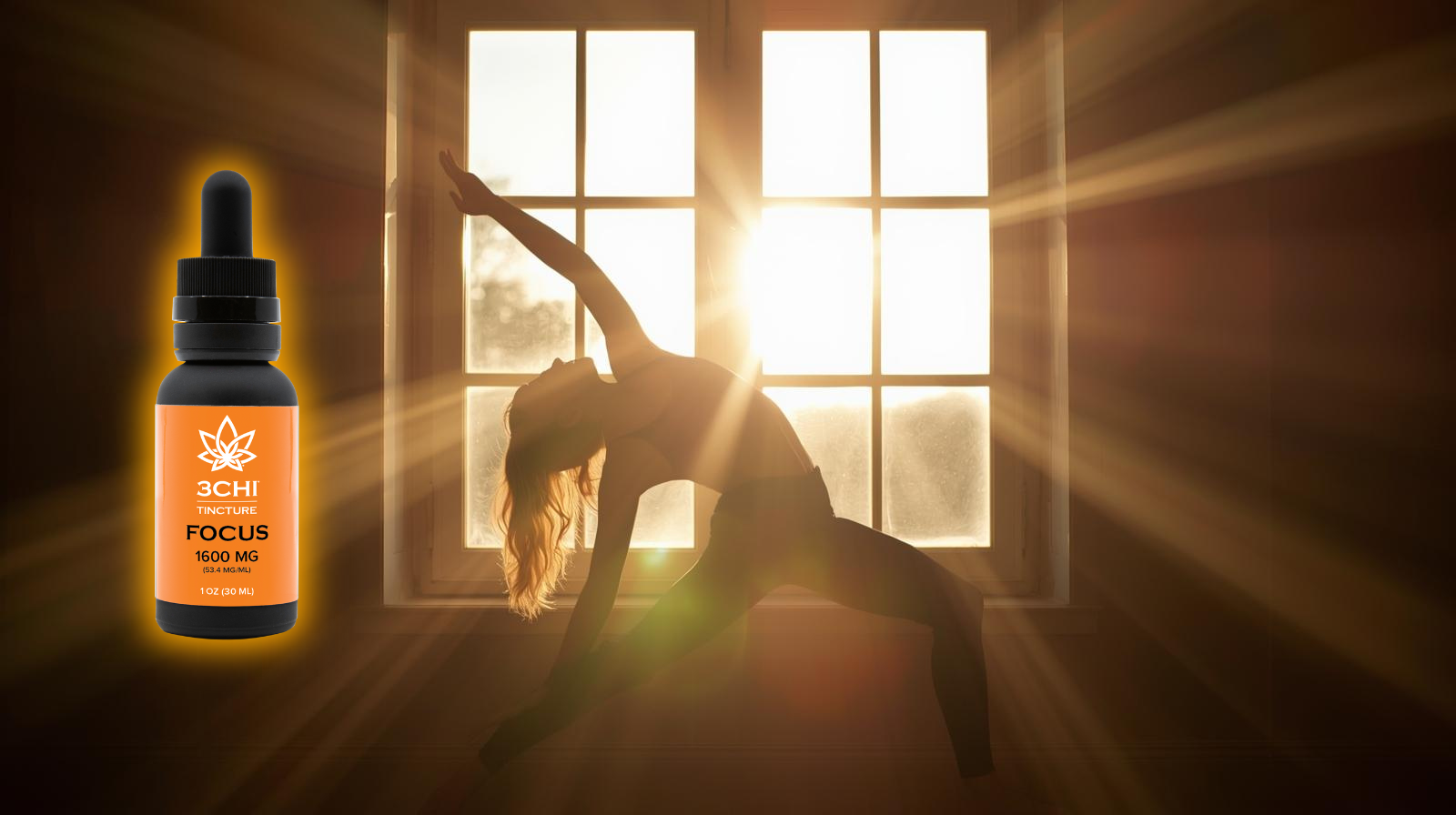
A midday ritual can reset energy. Instead of powering through fatigue with caffeine, consider a short walk outside, followed by a low dose of Delta-8. Add in three minutes of deep breathing, and you’ve just created a mini reset that may improve focus for the rest of the afternoon.
An evening ritual is crucial. As daylight fades, lower the lights at home, make a warm caffeine-free drink, and take a CBN blend about an hour before bed. Pair this with winding down activities like reading, listening to calm music, or practicing gratitude journaling. Over time, this ritual becomes a cue to the nervous system that it’s safe to shift from high alert into rest mode.
These daily rituals anchor cannabinoids in a lifestyle context. The more consistently they are practiced, the more effective they become.
The Psychology of Seasonal Reset
There’s also a psychological reason October feels like the perfect month for a reset. Humans crave alignment with cycles. Just as New Year’s inspires resolutions and spring inspires renewal, fall inspires reflection. We sense the year winding down and instinctively look for ways to prepare ourselves for what’s next.
Cannabinoids fit naturally into this psychological reset because they provide tools for regulation. When you feel calmer, you make clearer choices. When you sleep better, you set stronger intentions. When your stress is managed, you’re less reactive and more thoughtful. The result is a mindset that sees fall not as a burden but as an opportunity—a season to consciously reset, recharge, and realign.
The Endocannabinoid System, Cannabinoid Receptors, and Fall Rhythms
At the center of how cannabinoids work is the endocannabinoid system (ECS), often described as the body’s “master regulator.” This network helps maintain homeostasis — balance across sleep, mood, digestion, immunity, and energy. The ECS does this by influencing neurotransmitters and hormones. For example, it can affect serotonin levels, which play a role in mood; GABA, which helps quiet the nervous system; and melatonin, which controls sleep-wake cycles.
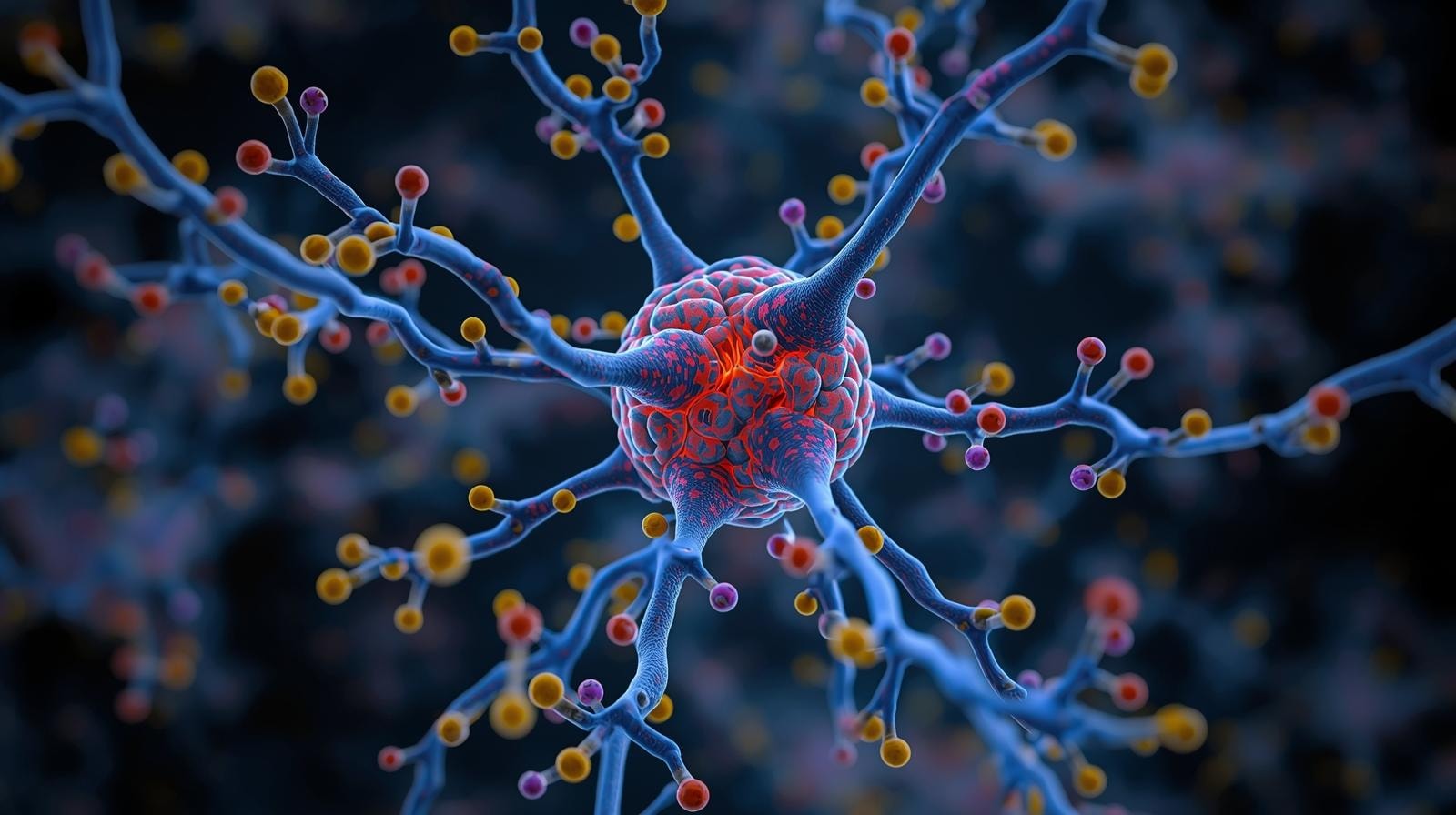
When fall disrupts circadian rhythms and raises cortisol, the ECS is pushed harder to keep balance. That’s where plant cannabinoids can step in. By interacting with CB1 receptors in the brain and CB2 receptors in the immune system, cannabinoids may help recalibrate the body when stress hormones run high or when sleep cycles drift. This isn’t about forcing the body into an unnatural state, but about supporting the natural balance the ECS is always striving to maintain.
For someone struggling with grogginess on dark mornings, CBD may provide steadiness without the spike of stimulants. For someone whose sleep is disrupted by earlier sunsets and racing thoughts, a CBN blend may encourage melatonin rhythms to stabilize. And for someone experiencing seasonal mood dips, Delta-8’s gentle lift may soften the edges, providing relief without overwhelm. In essence, cannabinoids can serve as allies for the ECS, helping it carry the seasonal load more smoothly.
Safety and Side Effects
When considering cannabinoids as part of your fall wellness reset, it’s important to understand both their potential benefits and their risks—especially when it comes to THC, the primary psychoactive component of the cannabis plant. THC works by binding to cannabinoid receptors in the brain and body, producing the possible psychoactive effects that many associate with cannabis: euphoria, relaxation, and increased appetite.
However, THC’s influence on the body is complex. While it can offer relief for some, it can also cause side effects such as dry mouth, drowsiness, memory impairment, paranoia, and increased heart rate. Chronic use of THC—whether through smoking cannabis, edibles, or other cannabis-derived products—has been linked to substance abuse, drug dependence, and psychiatric disorders, including depression and, in some cases, schizophrenia. The risk of developing these issues increases with high concentrations of THC and frequent use.
The Drug Enforcement Administration (DEA) classifies THC as a Schedule I controlled substance at the federal level, meaning it is considered to have a high potential for abuse and no accepted medical use under federal law. Despite this, many states have approved medical marijuana for specific conditions, and ongoing research continues to explore its potential benefits and risks. Clinical trials have shown that THC can be effective in treating nausea and vomiting related to chemotherapy and in stimulating appetite, but recreational use carries a higher risk of drug addiction and psychiatric complications.
How THC is consumed also matters. Oral administration (such as edibles or oils) can lead to high concentrations of THC in the bloodstream, and the effects may last longer compared to inhalation. The principal active metabolite, 11-hydroxy-THC, is also psychoactive and contributes to the overall experience. THC’s high lipid solubility means it is stored in body fat, resulting in a large apparent volume of distribution and a highly variable elimination half-life—sometimes lasting from 20 to 36 hours or more, depending on individual metabolism and method of use.
Smoking cannabis, while common, can increase the risk of respiratory issues like bronchitis and lung infections. Additionally, THC may impair psychomotor function, making activities like driving or operating machinery dangerous. Chronic use may also lead to gastrointestinal symptoms, including abdominal pain and nausea, and has been associated with amotivational syndrome in some users.
Beyond personal health, the Environmental Health Hazard Assessment (EHHA) has identified THC as a potential environmental health hazard, as it can contaminate soil and water, raising concerns about broader ecological impacts.
In summary, while THC and other cannabinoids from the cannabis sativa plant may offer potential benefits for medical use, they are not without risks. The effects of cannabis-derived products are highly individual and can interact with other drugs or medications. It’s essential to follow recommended dosages, be aware of possible side effects, and consult with a healthcare professional before starting any new regimen—especially if you have a history of psychiatric disorders, substance abuse, or are taking other medications. Responsible use and informed decision-making are key to making cannabinoids a safe and effective part of your fall wellness routine.
Beyond Cannabinoids: Cannabis Sativa Plant Pairing with Fall Wellness Habits
Cannabinoids are powerful tools, but they work best when paired with other mindful habits. Nutrition, movement, and mindfulness all complement the support cannabinoids provide. Eating seasonally, for example, means incorporating grounding foods like squash, apples, root vegetables, and warming spices. These foods stabilize blood sugar and support the body’s natural need for comfort and warmth in colder months.

Movement also matters. Shorter days can reduce motivation for exercise, yet physical activity is one of the most effective ways to release stress and boost mood. Even light activity — a brisk walk among the leaves, gentle yoga, or stretching before bed — pairs well with cannabinoids. For instance, using a CBD topical balm after a walk can ease muscle tension while CBD oil supports recovery internally.
Finally, mindfulness practices amplify the reset effect. Journaling, meditation, or simply pausing for a few deep breaths create the mental space to process stress. Cannabinoids may enhance this process by calming the nervous system, making it easier to enter reflective states. Together, these practices form a holistic routine: food to nourish the body, movement to release tension, mindfulness to clear the mind, and cannabinoids to bring it all into balance.
Conclusion
October is a month of beauty and challenge, a time when life seems to accelerate just as nature slows down. It’s easy to feel pulled in every direction, but it’s also the perfect moment to pause and reset. By aligning your wellness routine with the rhythms of fall, you can transform the season from a drain into an opportunity for restoration.
Cannabinoids offer unique support for this process. They may balance energy by reducing stress, improve sleep by calming the nervous system, and ease fear by working with the brain’s natural chemistry. Different products can target specific needs, from oils and gummies to sleep blends and topicals. Benefits may feel more noticeable when used consistently as part of a broader routine, creating resilience that lasts through the busiest months of the year.
This fall, don’t just endure the changes—embrace them. Take inspiration from the season itself: let go of what no longer serves you, establish new rhythms, and give yourself permission to restore balance.

Reset your wellness this fall with our daily essentials.
Safety Note: Please start low and go slow. Do not drive or operate machinery until the effects are known. Results very by individual.