
News
EPA’s $6.2M Boost for Hempcrete: Revolutionizing Sustainable Construction
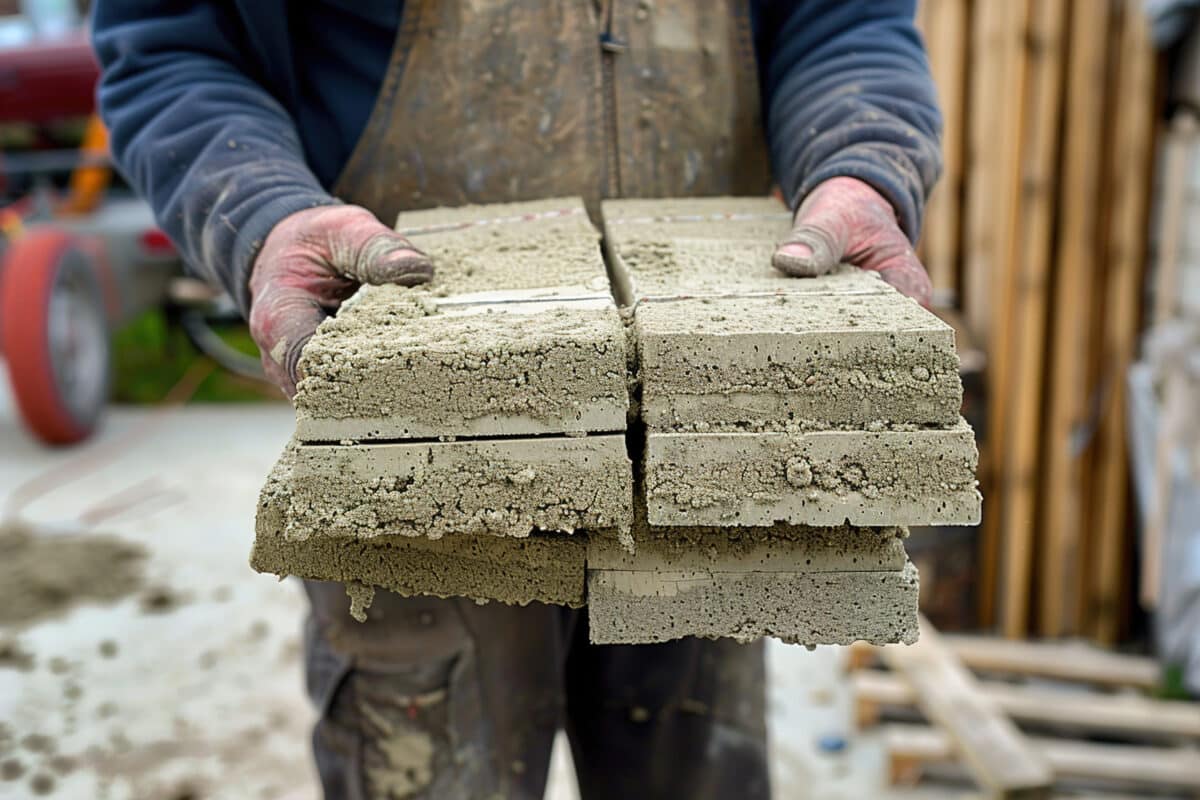
The Environmental Protection Agency (EPA) recently awarded $6.2 million to support the Hemp Building Institute in its mission to explore the potential of hempcrete as a sustainable construction material. This funding marks a significant step forward in the quest to integrate natural building materials into mainstream construction practices. With the growing interest in eco-friendly alternatives, this initiative could pave the way for a greener, more cost-effective building industry.
Hempcrete, derived from the industrial hemp plant, is gaining attention for its impressive properties. Unlike traditional concrete, hempcrete is lightweight, flexible, and boasts excellent insulation capabilities. The natural fibers of the hemp plant provide reinforcement, enhancing the durability of the material. This could revolutionize hemp construction, offering an eco-friendly alternative that supports sustainable building practices.
The Hemp Building Institute’s mission is to advance the use of hemp-based materials in construction. With the EPA’s funding, the Institute aims to enhance research and development, optimize the curing process, and establish best practices for building with hemp. The potential impact on the building industry is profound, promising significant benefits in terms of cost savings, durability, and environmental sustainability.
Integrating hempcrete into mainstream construction not only aligns with sustainable building practices but also offers a promising future for eco-conscious builders. This initiative by the EPA underscores the importance of investing in innovative, green building materials to create a more sustainable and resilient world.
What is Hempcrete?
Hempcrete is a bio-composite material made from the inner woody core of the industrial hemp plant mixed with a lime-based binder. Unlike traditional concrete, hempcrete is lightweight, flexible, and boasts impressive insulation properties. The hemp plant fibers provide natural reinforcement, making the material durable and resilient. Additionally, the production process of hempcrete is far less energy-intensive than that of conventional concrete, making it a more sustainable option for construction.
The core component, known as hemp hurd, is derived from the stalks of the hemp plant. This byproduct of the manufacturing process is mixed with lime and water to create a material that is not only strong but also environmentally friendly. The use of natural materials like hemp hurd significantly reduces the carbon footprint of building projects, aligning with efforts to improve the environment.
Moreover, hempcrete excels in terms of thermal performance. Its ability to regulate temperature and humidity within buildings contributes to energy efficiency, leading to potential cost savings on heating and cooling. This makes hempcrete an ideal choice for affordable housing concepts, where minimizing ongoing expenses is crucial.
In addition to its structural benefits, hempcrete is non-toxic and resistant to mold and pests. It doesn’t off-gas harmful chemicals, ensuring healthier indoor air quality. This characteristic further supports its use in affordable housing concepts, where ensuring the health and well-being of occupants is paramount.
In summary, hempcrete is a pioneering building material that integrates the benefits of natural materials with innovative construction techniques. Its potential to transform the building industry lies in its sustainability, cost-effectiveness, and health benefits, making it a key player in the future of eco-friendly construction.
The Role of the Hemp Building Institute
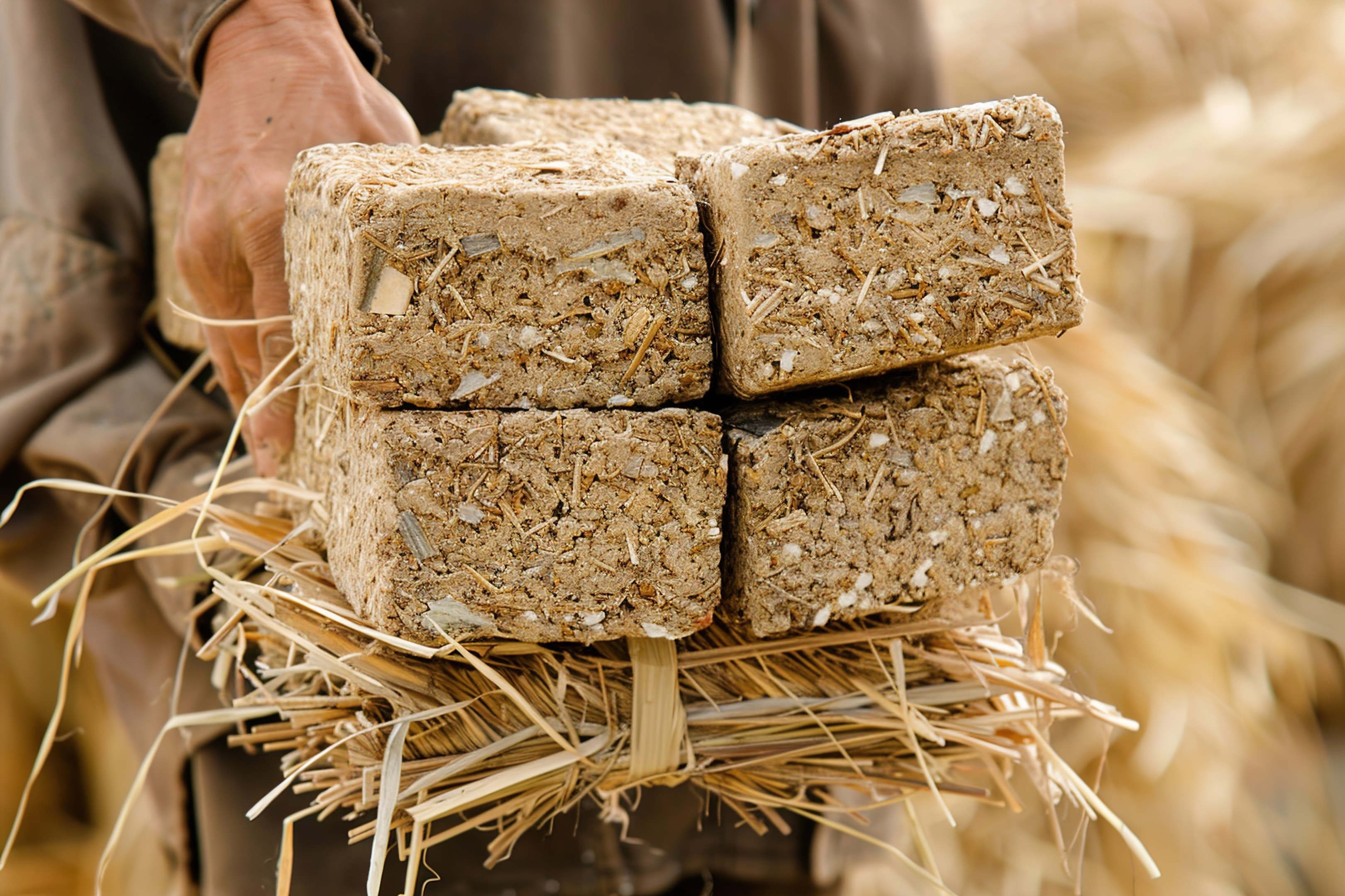
The Hemp Building Institute’s mission is to promote the use of industrial hemp in construction and other applications. With the EPA’s funding, the Institute aims to advance research and development in hempcrete technology. This includes studying the material’s properties, optimizing the curing process, and developing best practices for building with hemp.
Central to the Institute’s efforts is the comprehensive research on natural building materials, particularly focusing on hemp lime composites. These composites are at the forefront of innovative construction techniques due to their sustainability and performance. The Institute’s work on hemp lime composites aims to enhance the material’s structural integrity and optimize its environmental benefits, ensuring that hemp building becomes a mainstream practice.
The Institute is also dedicated to fostering sustainable building practices. By promoting the use of hempcrete and other hemp-based materials, the Institute supports the reduction of carbon footprints in construction projects. This is not just about creating greener buildings but also about setting a new standard for the building industry that prioritizes the planet’s health.
Educational initiatives are a significant part of the Institute’s role. The Institute provides resources and training for builders, architects, and developers on building with hemp lime. These programs aim to disseminate knowledge about the benefits of hemp in construction, from its natural insulation properties to its potential in creating affordable housing solutions. By educating professionals, the Institute ensures that the construction industry is well-equipped to adopt sustainable building practices.
Moreover, the Institute’s work involves extensive testing and certification of hemp fiber and hemp lime products. This ensures that materials meet rigorous safety and performance standards, which is essential for gaining wider acceptance in the construction market. Through these efforts, the Institute is helping to build trust and reliability in hemp building materials.
Collaborations with universities and research institutions are another crucial aspect of the Institute’s strategy. These partnerships enhance the scope and depth of research on hemp lime composites and other natural building materials. By leveraging academic expertise, the Institute aims to push the boundaries of what is possible with industrial hemp in construction.
The Hemp Building Institute is at the forefront of a movement to redefine construction with sustainable, essential, and innovative materials. By focusing on research natural building materials and promoting hemp construction, the Institute is paving the way for a future where hemp plays a vital role in building a sustainable world.
Benefits of the Industrial Hemp Plant in Construction
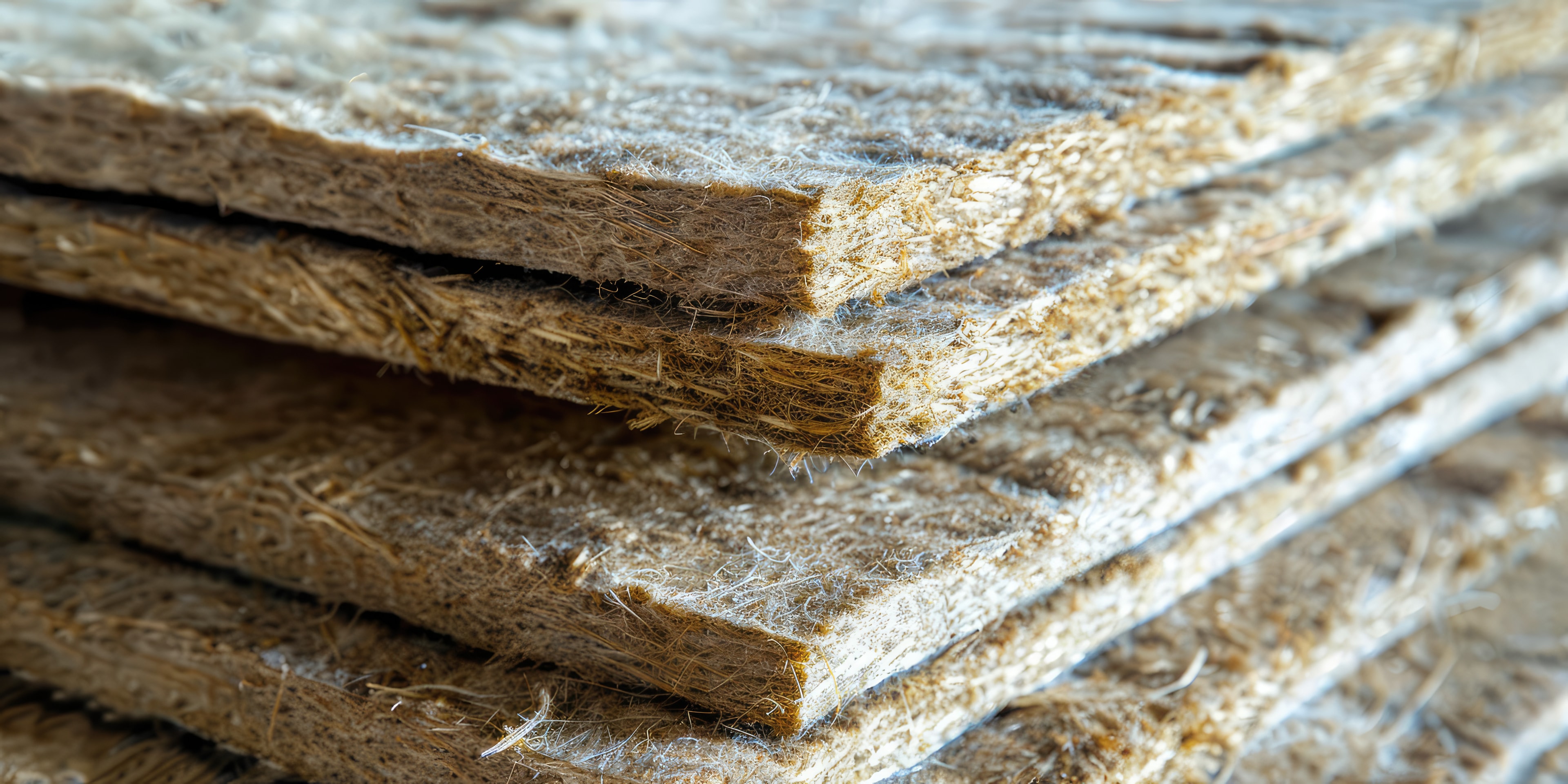
The advantages of using hempcrete in construction are manifold. Here are some key benefits that highlight its potential to revolutionize the building industry:
Durability and Longevity of Hempcrete
Hempcrete is known for its longevity. The material’s natural hemp fibers make it more flexible and less prone to cracking compared to traditional concrete. This flexibility helps to distribute stress across the wall structure, reducing the likelihood of fractures and prolonging the lifespan of buildings.
The use of hemp hurds in the mixture adds to its durability, making it a robust building material that can withstand various environmental conditions. This durability can lead to significant savings on maintenance and repairs over time, making hemp building an economically sound choice.
Insulation Properties
One of hempcrete’s standout features is its excellent insulation capabilities. As an insulation material, hempcrete helps maintain stable indoor temperatures by reducing thermal bridging. This means less heat is transferred through the walls, which improves energy efficiency and comfort within the building.
The natural composition of hemp allows it to breathe, which helps regulate humidity and prevents the buildup of moisture. This not only enhances the overall insulation performance but also contributes to a healthier indoor environment. By reducing the need for excessive heating and cooling, hempcrete can lead to lower energy bills and a reduced carbon footprint.
Sustainable Building Practices
Using hempcrete supports sustainable building practices. The industrial hemp plant absorbs large amounts of carbon dioxide during its growth, helping to offset emissions produced during construction. Additionally, the plant can be grown quickly and without the need for pesticides or herbicides, making it an environmentally friendly crop.
The production process for hempcrete is less energy-intensive compared to traditional concrete, further minimizing environmental impact. This aligns with global efforts to reduce carbon emissions and promote sustainability in the building industry. The integration of hemp in construction represents a significant step towards greener building practices and a more sustainable future.
Health and Safety of Hempcrete
Hempcrete is non-toxic and mold-resistant, contributing to healthier indoor air quality. Unlike conventional building materials, it doesn’t off-gas harmful chemicals, making it a safer option for both builders and occupants. The natural resistance to mold and pests is due to the lime content, which creates an inhospitable environment for these issues.
This aspect of hemp building ensures that structures are not only durable and energy-efficient but also healthier to live and work in. The use of natural materials in construction helps to reduce exposure to synthetic chemicals and allergens, promoting overall well-being.
Hempcrete offers numerous benefits that make it an attractive option for modern construction. Its durability, excellent insulation properties, support for sustainable building practices, and contributions to health and safety make it a revolutionary building material.
As the building industry continues to seek out eco-friendly alternatives, the adoption of hempcrete and other hemp-based materials will likely increase, paving the way for a more sustainable and resilient future in construction. The integration of hemp in building projects not only enhances performance and longevity but also promotes environmental stewardship and healthier living spaces.
Financial Implications of Hempcrete for the Building Industry
Integrating hempcrete into construction can lead to significant financial benefits for companies. Here’s how:
Cost-Effective Construction
The initial costs of using hemp-based materials may be comparable to traditional materials, but the long-term savings are substantial. Hempcrete buildings benefit from reduced heating and cooling needs due to the material’s superior insulation properties, which translates to lower energy bills. The durability of hempcrete also means fewer repairs and less maintenance over time.
Moreover, the production process for hempcrete is less energy-intensive, which can reduce overall manufacturing costs. By investing in hemp building, companies and residents can achieve significant cost savings while contributing to environmental sustainability.
Incentives and Grants
With the growing emphasis on sustainable building practices, companies using eco-friendly materials like hempcrete may qualify for government incentives and grants. The recent EPA grant to the Hemp Building Institute is a prime example of the support available for green construction initiatives.
These incentives can offset the initial investment costs, making it more feasible for companies to adopt hemp in their building projects. By aligning with federal and state sustainability goals, builders can access financial support and benefits that make hemp building a more attractive option.
Market Differentiation
Companies that adopt hempcrete and other hemp-based materials can position themselves as leaders in sustainability. This can attract environmentally conscious clients and investors, providing a competitive edge in the market. The use of hemp in construction not only enhances a company’s reputation but also demonstrates a commitment to innovative and eco-friendly solutions.
This differentiation is particularly valuable in the context of affordable housing projects, where sustainability and cost-efficiency are critical selling points. By embracing hemp building, companies can stand out in a crowded market and appeal to a growing demographic of eco-conscious consumers.
The financial implications of integrating hempcrete into construction are compelling. From cost savings on energy and maintenance to accessing government incentives and differentiating in the market, hemp building presents a range of economic benefits.
The Hemp Building Institute’s research and advocacy further support the adoption of hemp in the construction industry, highlighting its potential to transform traditional building practices. As the demand for sustainable and cost-effective building solutions grows, the financial advantages of hemp will continue to drive its adoption, paving the way for a more resilient and eco-friendly future in construction.
Applications Beyond Construction
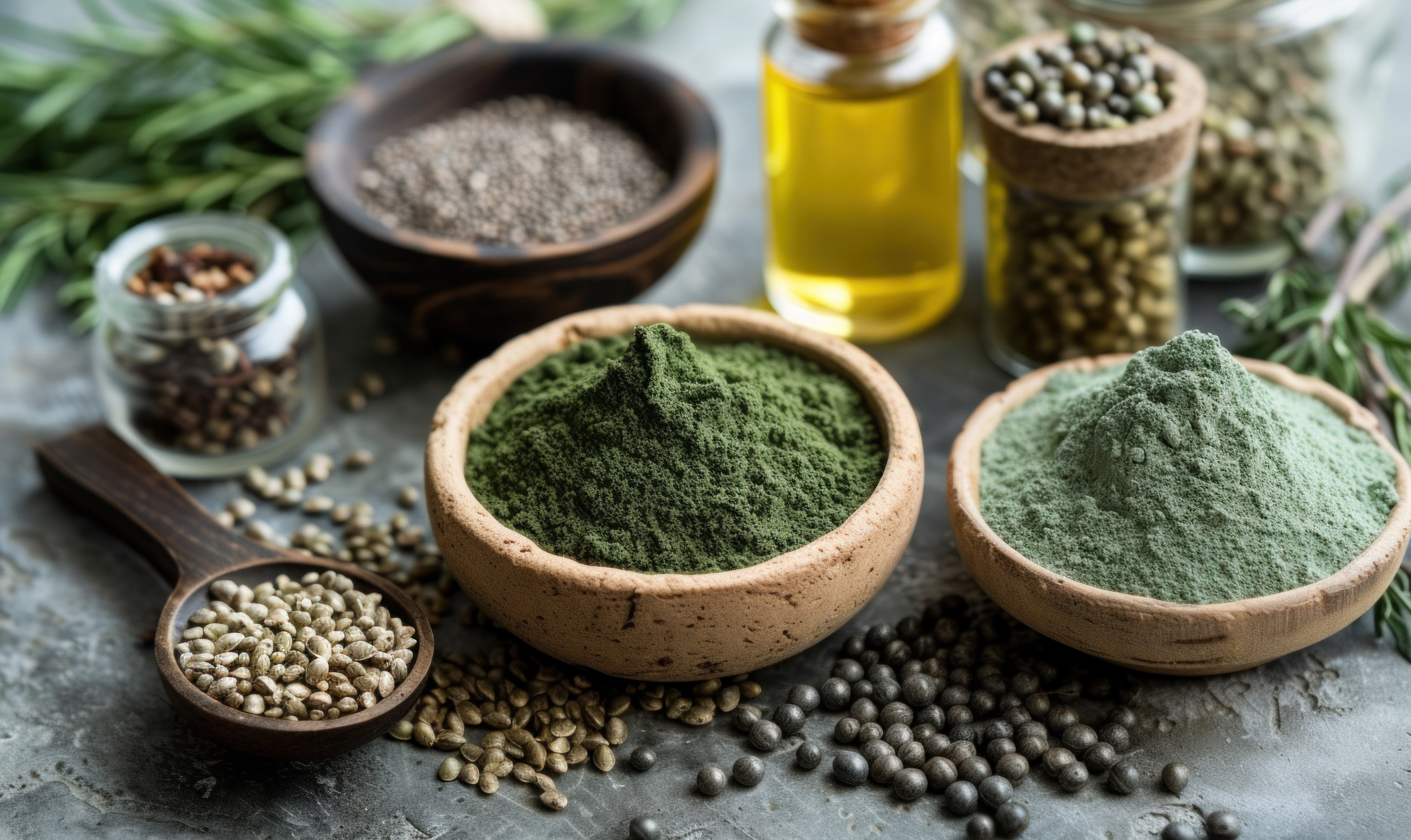
While hempcrete is primarily known for its applications in construction, the industrial hemp plant offers numerous other benefits that extend well beyond the building industry. Here’s a look at how hemp products are making an impact in various fields:
Nutritional Benefits of Hemp Seeds
Hemp seeds are packed with nutrients and can be used in a variety of food products. These seeds are a rich source of essential fatty acids like omega-3 and omega-6, which are crucial for maintaining heart health and supporting brain function. Additionally, whole hemp seeds contain significant amounts of protein, making them a valuable addition to any diet.
This hemp protein is considered complete because it contains all nine essential amino acids that the body cannot produce on its own. This makes hemp seed protein a popular choice among vegetarians, vegans, and anyone looking to boost their protein intake with a natural source.
Health and Wellness Products
Hemp seed oil is another versatile product derived from the hemp plant. It’s known for its high concentration of fatty acids and is commonly used in skincare products to moisturize and nourish the skin. The potential beneficial properties of hemp oils can help soothe irritated skin and reduce the appearance of redness and acne.
Additionally, hemp seed oil is used in dietary supplements due to its rich nutrient profile. It may help support cardiovascular health and improve overall well-being. The growing interest in natural health products has led to a surge in the popularity of hemp seed oil and other hemp-derived wellness items.
Culinary Uses
The culinary world has also embraced hemp seeds and hemp seed oil. These products add a nutty flavor and a nutritional boost to various dishes. Hemp seed oil can be used in salad dressings, smoothies, and as a finishing oil for cooked dishes, providing a healthy alternative to traditional oils.
The high content of essential fatty acids and other beneficial nutrients makes hemp seeds and their derivatives a desirable addition to any health-conscious kitchen.
The applications of hemp extend far beyond construction, showcasing the versatility and potential of this incredible plant. From hemp seeds packed with nutrients to hemp seed oil used in skincare and dietary supplements, the benefits of hemp products are vast and varied.
As the demand for natural and sustainable products continues to rise, the role of hemp in nutrition, health, and wellness is likely to grow even further. This not only highlights the multifunctional nature of the industrial hemp plant but also underscores its importance in creating a more sustainable and healthy future.
The Future of Hempcrete and Sustainable Construction
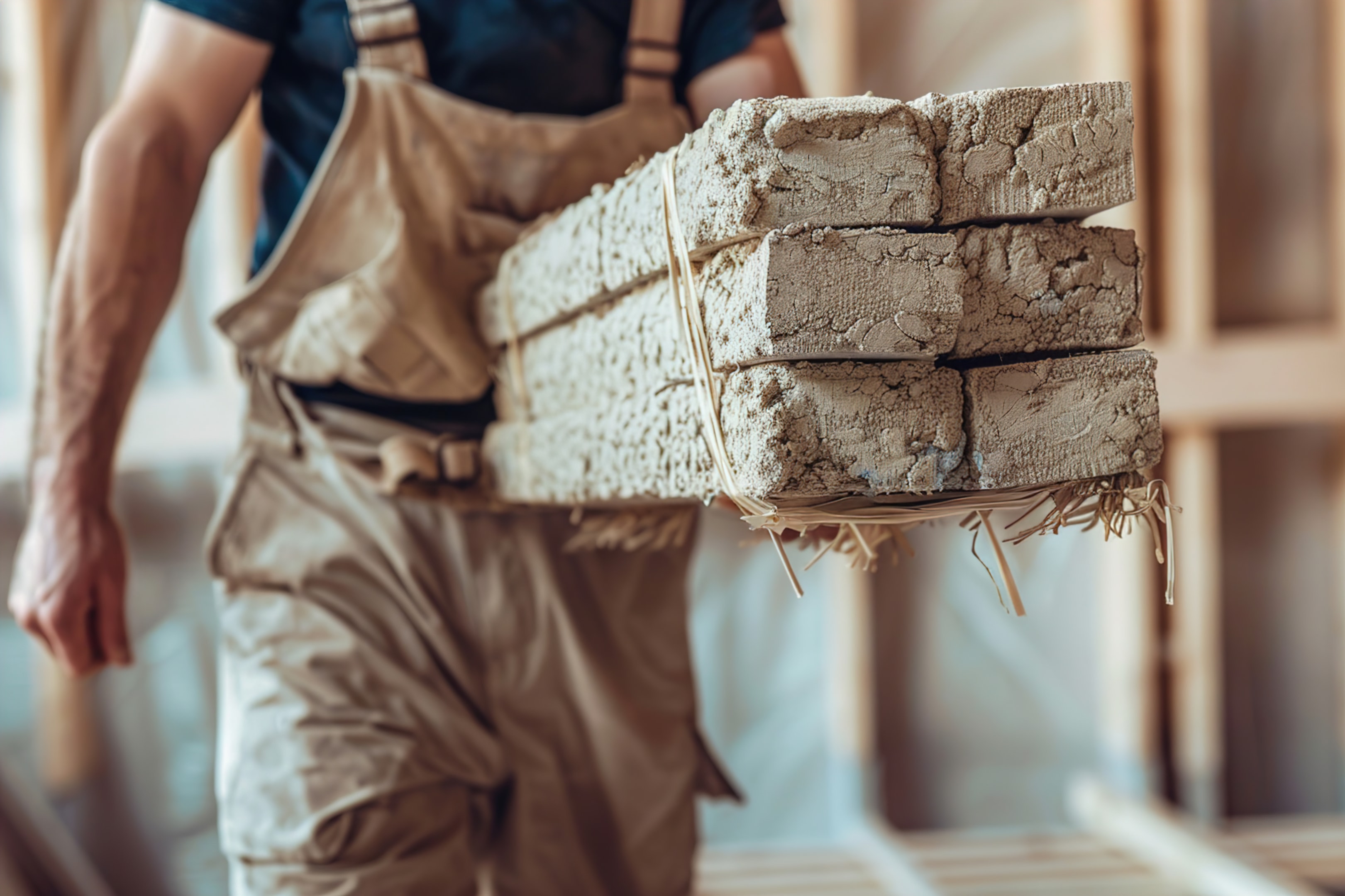
The EPA’s grant to the Hemp Building Institute signifies a growing recognition of the potential of hempcrete and other natural building materials. As research progresses and more builders embrace sustainable building practices, we can expect to see a significant shift towards greener construction methods.
Advancements in Hempcrete Technology
The funding provided to the Hemp Building Institute will undoubtedly propel advancements in hempcrete technology. Researchers are focused on optimizing the curing process and improving the material’s overall performance.
Enhanced hemp lime composites are being developed to increase durability, reduce thermal bridging, and improve insulation properties. These advancements make building with hemp lime a more viable and attractive option for mainstream construction projects.
Regulatory Support and Industry Standards
With the growing interest in hempcrete, there is a push towards establishing industry standards and regulatory support for hemp building. The Hemp Building Institute plays a crucial role in this by working with regulatory bodies to ensure that hempcrete and other hemp-based materials meet safety and performance standards. This will help build trust in the material and encourage more widespread use in various construction projects.
The work of the Hemp Building Institute is central to this evolution, promoting the use of hemp in innovative and environmentally friendly ways. As we continue to explore the potential of building with hemp lime and other hemp-based materials, the construction industry is poised to undergo a transformation towards more sustainable and resilient practices.
The integration of hemp in construction not only addresses environmental concerns but also offers practical and economic benefits that can reshape the future of building.
Wrapping Up

The $6.2 million awarded by the EPA to the Hemp Building Institute represents a pivotal investment in the future of sustainable construction. This funding will enhance research on natural building materials, paving the way for innovative uses of hemp in the building industry. The Hemp Building Institute’s mission to promote the use of hempcrete and other hemp-based materials aligns with global efforts to develop eco-friendly and cost-effective affordable housing concepts.
As we continue to explore the potential of hemp in various applications, from construction to nutrition, its role in creating a more sustainable and healthier world becomes increasingly clear. The integration of hemp in building practices not only offers essential environmental benefits but also presents significant economic advantages. The Hemp Building Institute is at the forefront of this movement, ensuring that hemp remains a key player in the quest for sustainability and resilience in construction.
In conclusion, the future of building with hemp looks bright, with ongoing research and support from institutions like the Hemp Building Institute driving the adoption of greener, more sustainable materials. The advancements in hempcrete technology and its applications in various affordable housing concepts underscore the importance of continuing to invest in and develop natural building materials. As we embrace these innovations, we move closer to a future where sustainable construction practices are the norm, benefiting both our planet and our communities.
To stay updated on all things cannabis and 3CHI, sign up for our newsletter here!
When you do, you get 5% off your first order and a free pack of Delta 8 gummies!